
 ChatGPT
 Perplexity

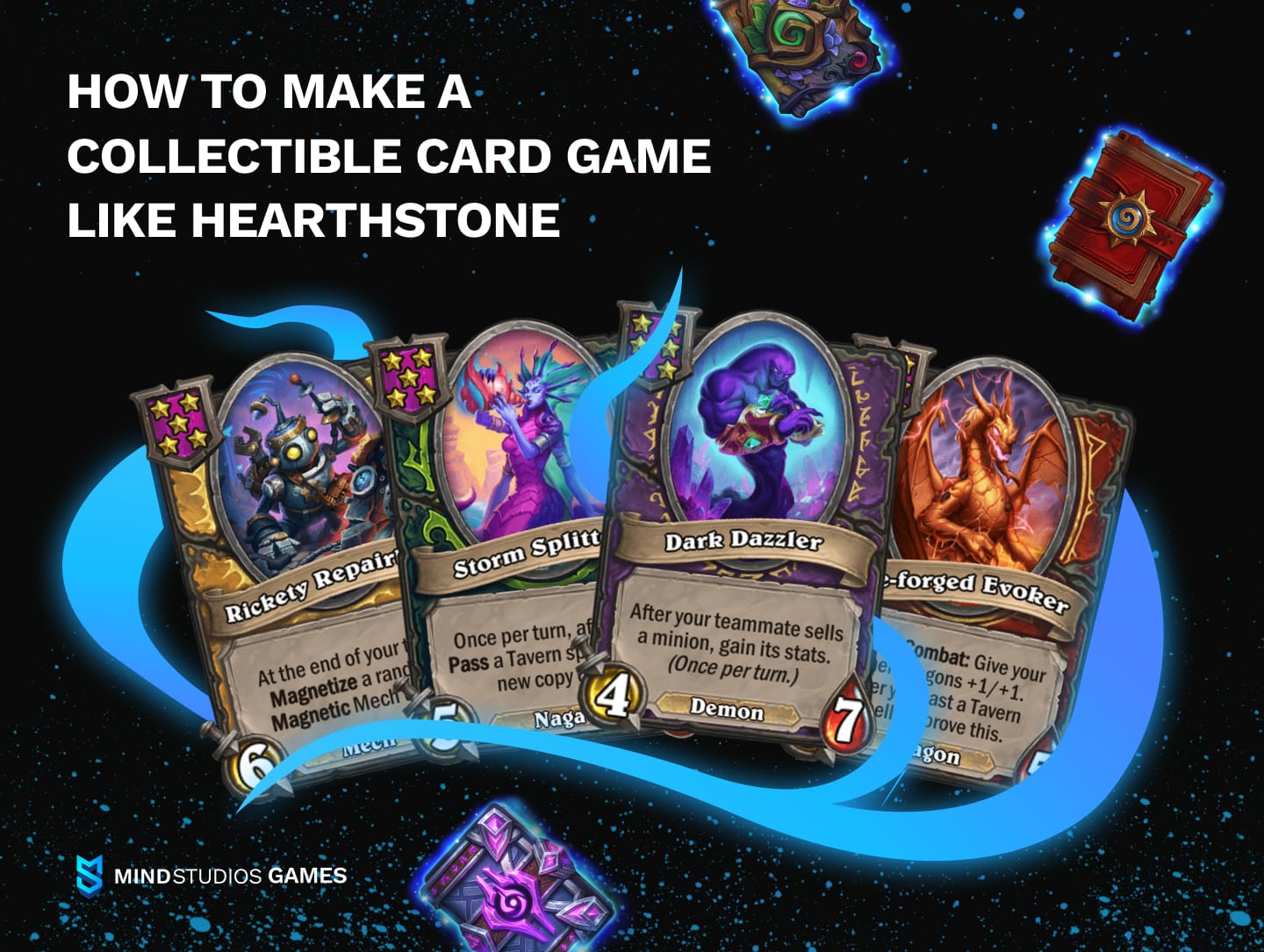
Ever wondered how to make a collectible card game? Check out this guide for the CCG details, differences in approaches, and advice on building your own.
Highlights:
- Collectible card games have been consistently performing well as a genre for years;
- CCG development is different to traditional card game development, but it also offers more range for innovation;
- It’s important to carefully assess your CCG’s game design to avoid classic mistakes like power creep and over-complication for the sake of meta;
Collectible card games (CCG) aren't new — in fact, they've been around since the 2000s, only in the form of traditional paper cards. For instance, Magic: The Gathering, the first traditional CCG that came out in 1999, is played by over 50 million players to date globally. Its digital version, Magic: The Gathering Arena, has 13 million registered players.
It seems that even in times of diverse choice-based games and advanced graphics, people still enjoy good old cards, and the numbers support that. The total revenue in the card games market is expected to reach $21.47 billion by 2029. What's more, even the developers that weren't originally CCG-focused expanded their line of titles with card games: Legends of Runeterra by Riot Games, Hearthstone by Blizzard, and Gwent by CD Projekt Red.
Want to join them and learn how to make a collectible card game like Hearthstone or Balatro? We're happy to help by sharing our knowledge. With over 10 years of experience in the software and game development market, Mind Studios Games experts know what it takes to build a game card title that can win the audience.
Read further to discover the game mechanics, tech nuances, and challenges you might face when developing your own collectible card game. And contact us if you’re ready to talk about your idea in details.
Core game design components in CCGs
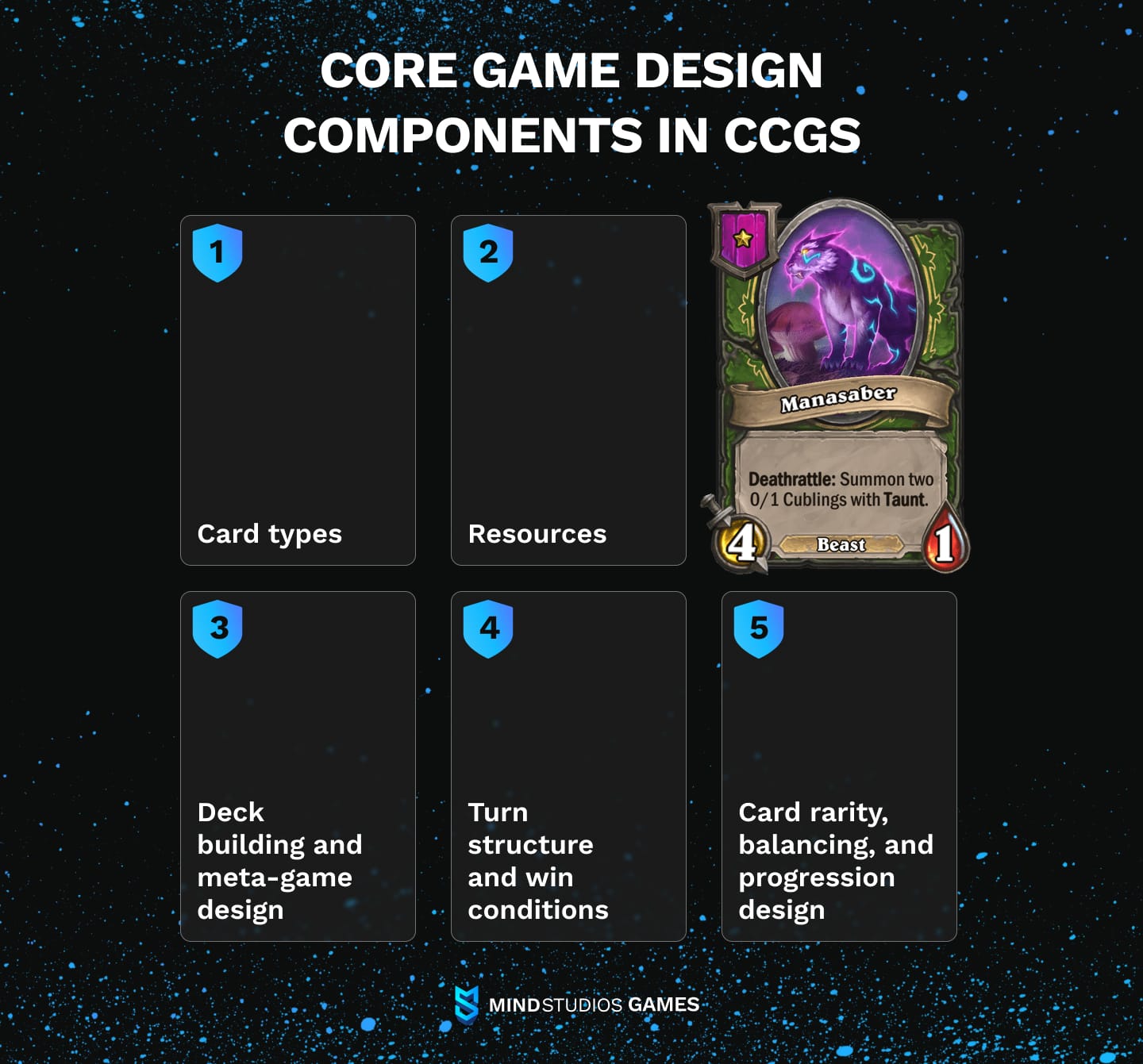
To make a game like Hearthstone, you first need to understand what makes these titles appealing to players. Behind every successful title is captivating gameplay, and card games aren't any different. To create a title that holds the players' attention and interest, you need to balance creativity, strategy, and progression, as well as pay attention to the core game design components.
For CCGs, these are:
Card types
Card types can include creatures, spells, traps, and other things. For instance, in Hearthstone there are Minion, Spell, Weapon, and Secret cards, each one having its own perks. All the card types define the roles and interactions within the game.
Here's how it generally works:
- Creatures often remain on the board and can attack or defend. You can upgrade them (for instance, by gathering three cards of the same creature) and boost their stats by applying spells.
- Spells are usually one-time effects: damage, healing, drawing a card, stealing, or eliminating one of your opponent's cards.
- Traps/Secrets are similar to Spells, but the major difference is that these are reactive cards that activate only under certain conditions (for example, when you or your creature are attacked).
Resources
Resources determine how and when you can play your cards. The most widespread examples of resources are some type of energy, like mana — you collect them and use them strategically.
These mechanics help make the game more interesting: you start small and become more powerful as the game progresses. This also adds layers of decision-making.
No matter which type of resources you choose for your game, make sure they are balanced well. This is the key to fair gameplay and meaningful strategy.
Deck building and meta-game design
In CCGs, players construct their decks from a pool of available cards. They are often limited by card types and size (one example would be that a player cannot have more than 40 cards in their deck or more than 10 in their hand). To succeed, players need to experiment with cards and plan their strategy.
The meta-game helps with progression as well. Meta-game refers to dominant strategies or card combinations that shape the play and help players succeed. Game designers should focus on dynamic meta mechanics to keep gameplay fresh and evolving.
Turn structure and win conditions
Every card title has a turn structure: players take their turns drawing cards and playing them. Such a structure ensures that the game is both fair and interesting to play.
There can also be various win conditions that define how you can achieve victory in a certain game. They could be:
- reducing the opponent's life points
- emptying their deck
- completing certain objectives.
In any case, your game needs to have clear rules on win conditions and straightforward pacing to make it accessible and competitive.
Card rarity, balancing, and progression design
There are different types of cards in CCGs: for example, common, rare, epic, and so on. The level / rarity division helps support gameplay balance and also keeps players engaged as they strive to collect more rare cards.
Balancing helps make the game mechanics more fair, ensuring that no card or strategy is overwhelmingly dominant. Sometimes, game creators make certain adjustments of existing cards to keep the balance — for instance, change their stats or special abilities, or remove them from the game completely.
Progression systems reward play over time: the more you play, the more rewards you obtain. These could be booster packs, crafting systems, or anything else that motivates continued engagement.
A thoughtful combination of all these components allows you to create a fun, strategic card game that is fair, replayable, and ever-evolving for both newcomers and experienced players.
Key features of a digital collectible card game
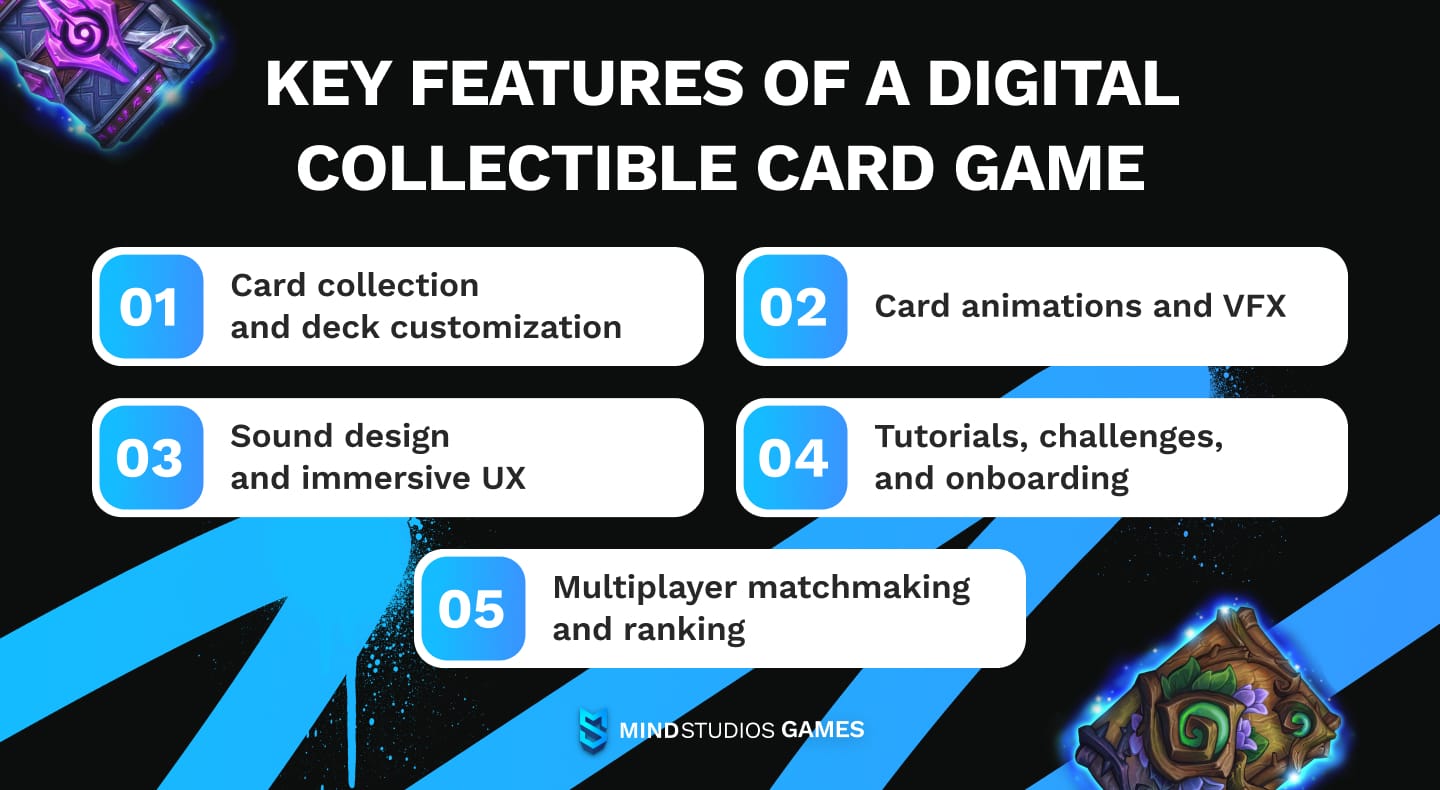
While knowledge of the components is essential and truly helpful, it alone is not enough to create a successful CCG. You need to combine these components with smart architecture, create an engaging UI/UX experience, and make sure that the systems are able to handle different challenges, be it real-time competition, progression, or live content.
So, the next step of how to make a CCG game would be understanding its essential features and figuring out which one would be necessary for your title.
Card collection and deck customization
Collecting cards is one of the main points of CCGs, and your goal as a creator is to make this experience as rich and interesting as possible. You can offer card libraries equipped with search and filter tools and deck-building assistants that support new players by highlighting potentially beneficial combinations or suggesting replacements. You can also top that up with appealing visual personalization, such as card backs or hero skins.
There are also additional features that can help build a top-quality card collection and desk customization experience.
Virtual currency, card packs, and in-game economy
In a perfect game world, your title should balance ways to earn currencies: some can be earned via gameplay, while others can be purchased with real money. Such currencies (for instance, gold and gems) can later be used to buy packs, enter events, or craft cards. Creating a well-balanced game economy is a way to respect free-to-play players and offer meaningful monetization paths for those who don't mind investing real-world currency in your title.
Designing scalable card data structures
If you plan to scale your CCG, you need to structure all the cards as data-driven objects for potential expansion. To make this easier, make sure that every card has the following:
- unique IDs and attributes (cost, type, stats, abilities)
- trigger conditions and effect logic
- version control for balance changes
Balancing updates and live content delivery
No matter how thriving your CCG becomes, you should still continue working to keep it that way. You can run patch cycles that introduce balance changes, new cards, and seasonal modes — this will keep the players entertained.
Troubleshooting and updating the game balance is just as important. It's great if you're able to fix bugs and address emergent problems without releasing updates that require full downloads. You should also adjust cards based on usage, win rate, and player feedback.
Card animations and VFX
While the animation and graphics, in general, largely depend on the scale and technical capacity of your title, you can still come up with visual effects for more engaging gameplay.
For example, you can try adding unique animations for rare or legendary cards and create VFX for buffs, damage, or summons. This can help increase immersion and make certain cards more appealing.
Sound design and immersive UX
Sound can play a subtle but powerful role even in small titles. You can create catchy voice lines for heroes or card plays and sound effects for card draws, wins, or damage. This can help make the game more emotional and also offer intuitive cues during complex interactions.
Tutorials, challenges, and onboarding
Tutorials are essential to support new players: they guide them through mechanics and deck building. It can also be fun if they take forms of solo challenges or PvE campaigns, as this way beginners can learn without extra pressure. Things like gradual mechanics/modes unlock or rewards can also encourage players and help them build experience and skills before entering the competition.
Multiplayer matchmaking and ranking
If you want to build a competitive card game, you need to ensure well-thought PvP matchmaking. Usually, players are matched based on their skill rating or on their ranked tiers. There are also in-game systems that offer ladder progression (often within one season). In Hearthstone, that would be climbing from Bronze to Legend rank.
Smart and thorough matchmaking and ranking help to deliver fair, fast pairings and a rewarding sense of progression, keeping your players engaged.
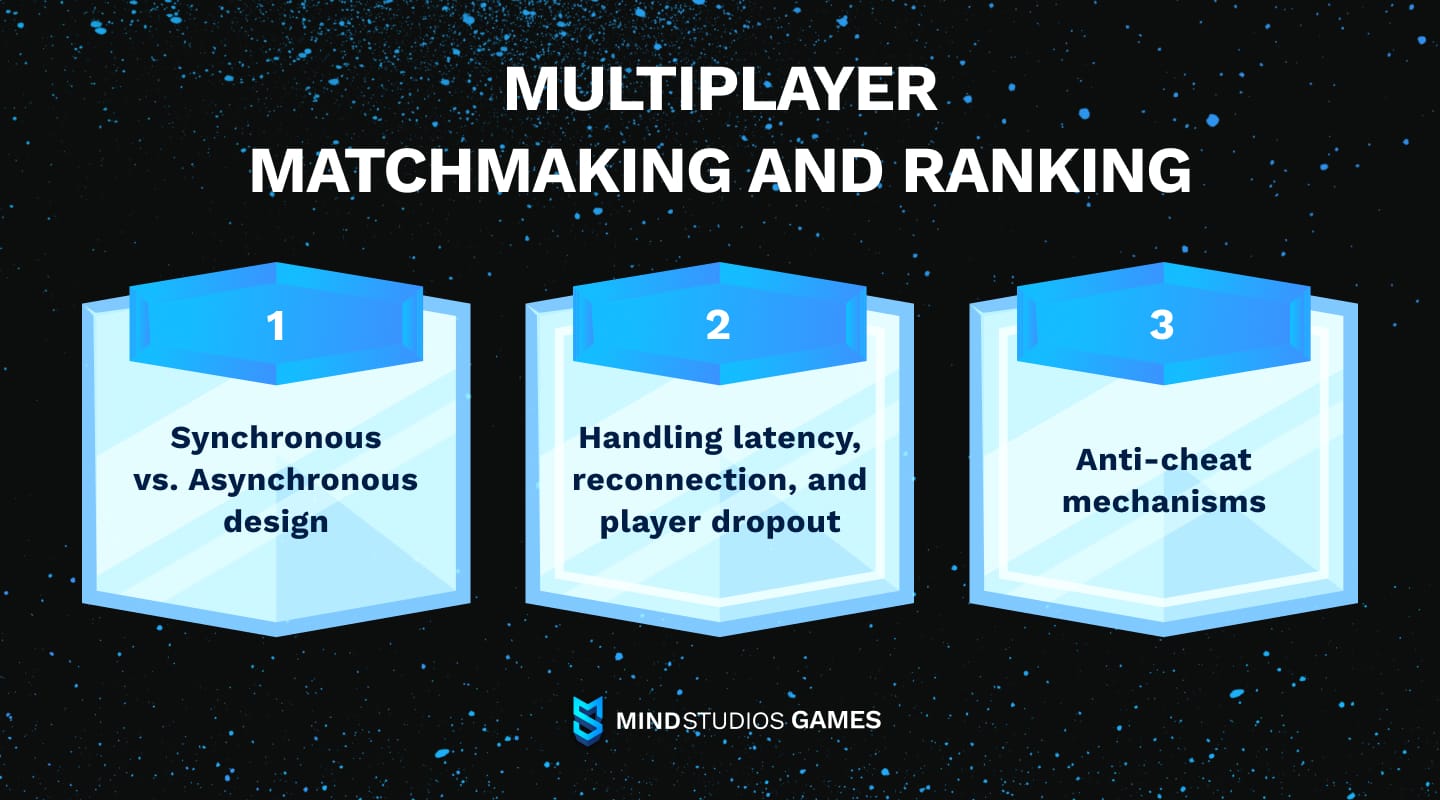
Synchronous vs. Asynchronous design
CCGs can be:
- Synchronous. All the players participating in a match have to be online together and interact in real-time. This is how Hearthstone works.
- Asynchronous. In this case, players take turns at different times and don't have to be online simultaneously. This is how Marvel Snap's retreat mechanic works.
It's important to opt for a specific design when planning your game, as this choice affects user interface, network architecture, and game pacing. However, you can also try a hybrid format that offers real-time PvP, asynchronous PvE or friend matches, or simulated AI battles with scripted decks. Such flexibility can also be appealing to gamers that enjoy diverse play styles.
Handling latency, reconnection, and player dropout
Card games often rely on network stability, especially if they are synchronous. Therefore, you need to:
- adjust turn timers and animations for potential lags
- make sure that your systems support pause-resume, autoplay, or auto-forfeit in case a player disconnects.
Let's be honest: it's impossible to prevent network issues completely. All you can do is handle these problems efficiently and reliably to keep the players' experience smooth.
Anti-cheat mechanisms
Cheats are a pain in the side for many games. Confronting them, however, heavily relies on game mechanics. For CCGs, you need to come up with mechanisms that prevent:
- card data manipulation
- automation (such as playable bots) or scripting
- client-side hacks or packet injections.
Monetization strategy in digital CCGs
It's important to know not only how to make a deck building game like Hearthstone or Balatro, but also how to monetize it efficiently. After all, it can be quite challenging to sustain a CCG without proper monetization. At the same time, your strategy should be balanced to support long-term player trust and retention.
What can we learn from the most successful CCGs in the industry? They usually monetize without compromising fair play or alienating their player base.
Here are the approaches they use.
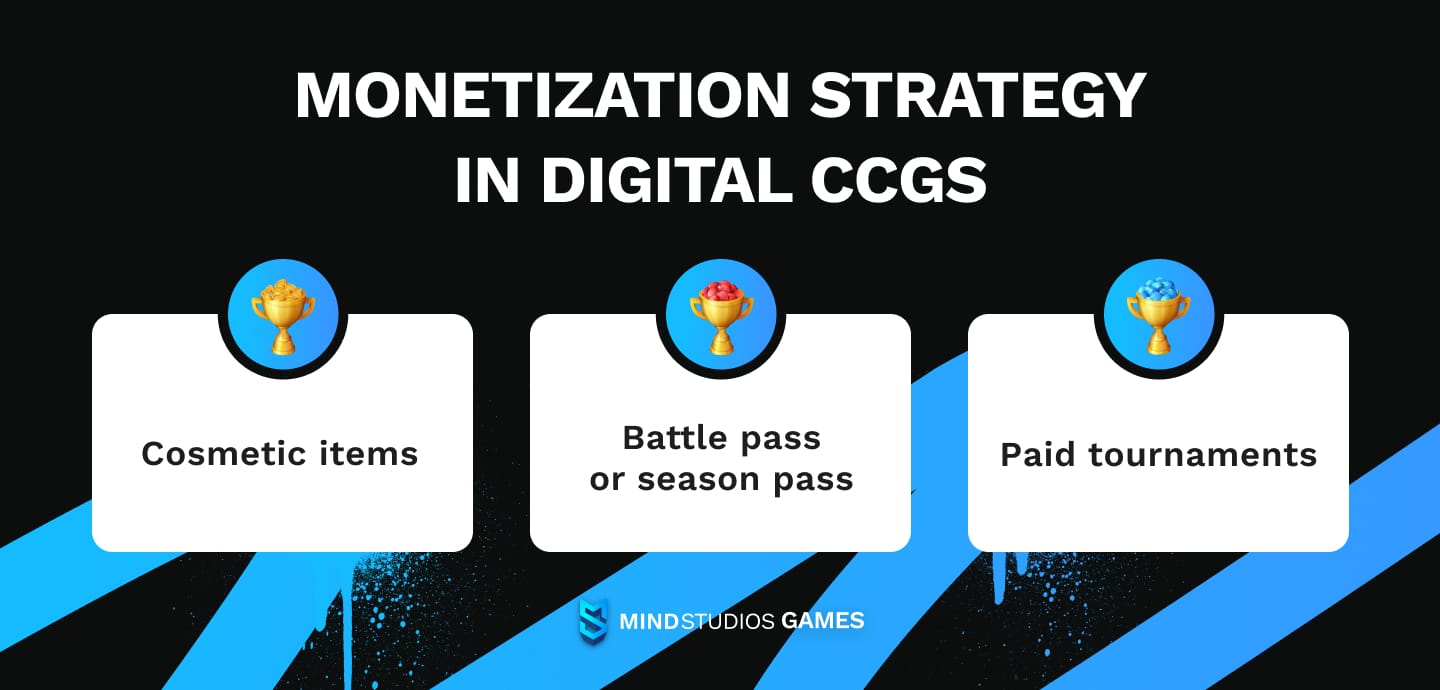
Cosmetic items
Cosmetic items (card backs, avatars, effects) can help players personalize their assets and make their game more visually diverse and appealing without actually affecting the gameplay power.
Players can purchase:
- card backs or sleeves (especially seasonal or event-themed)
- hero avatars
- additional voice lines
- special animation and visual effects for cards and battles.
Battle pass or season pass
The battle pass model is a great option to reward ongoing play. Often CCGs have two versions of a battle pass: a free one and a paid one with extra rewards, so free-to-players could enjoy the play too.
What are the key features of a battle pass?
- Tiered progression that is tied to daily/weekly challenges
- Rewards: cosmetics, in-game currency, and card packs.
- Time-limited duration and content (for example, exclusive cosmetics available within the battle pass only).
Adding battle passes to your title helps players feel rewarded for engagement, not just spending.
Paid tournaments
Many card games have tournaments — some as seasonal events, others just as leaderboards. Multiplayer games are basically made for tournaments.
Gamers love tournaments.
And there’s nothing unusual to have separate tournaments for players willing to pay to access something the free version of the game doesn’t offer. Hearthstone, for example, has two types of Arena tournaments, with different rewards, and tickets to access them can be purchased with both in-game currency and real money.
The important thing here is to make these tournaments worth the money and the time players will have to put into them. So you need to think carefully and consult professional game designers about how to make that functionality entertaining enough to gain popularity and generate revenue.
Additional ethical monetization tips to consider
Why is it so important to monetize ethically? Because otherwise, your title might enable pay-to-win dynamics: the more money players spend, the more advantages they have in the game. While this can be appealing to those who are willing to invest currency, they will probably be only a (small) part of your audience. When you foster a healthy, fair player ecosystem, free-to-play gamers enjoy it too — and they spread awareness about your title.
Here are the key tips for ethical monetization:
- Make sure that the core gameplay progression can be achieved with the help of free play (e.g., through daily quests or crafting systems).
- Avoid making powerful and rare cards available only for real money.
- Allow crafting specific cards or acquiring them without investing money in the game.
- Separate cosmetics and gameplay: monetize visuals and experience enhancers, not victory conditions.
A strong monetization strategy for a digital CCG should combine visual flair, optional content, and meaningful progression, while respecting player time and fairness at the same time. When it's done right, players are more likely to invest not just money, but loyalty.
Common pitfalls to avoid in digital CCG development
Even if you follow all the abovementioned tips, work with the Hearthstone game engine (which is Unity), and ensure outstanding performance optimization, your title can still falter if you fail to notice and address certain design or technical missteps at their early stages. To avoid that, discover the most common pitfalls that can undermine player experience, long-term balance, or platform performance. Here they are and how to overcome them.
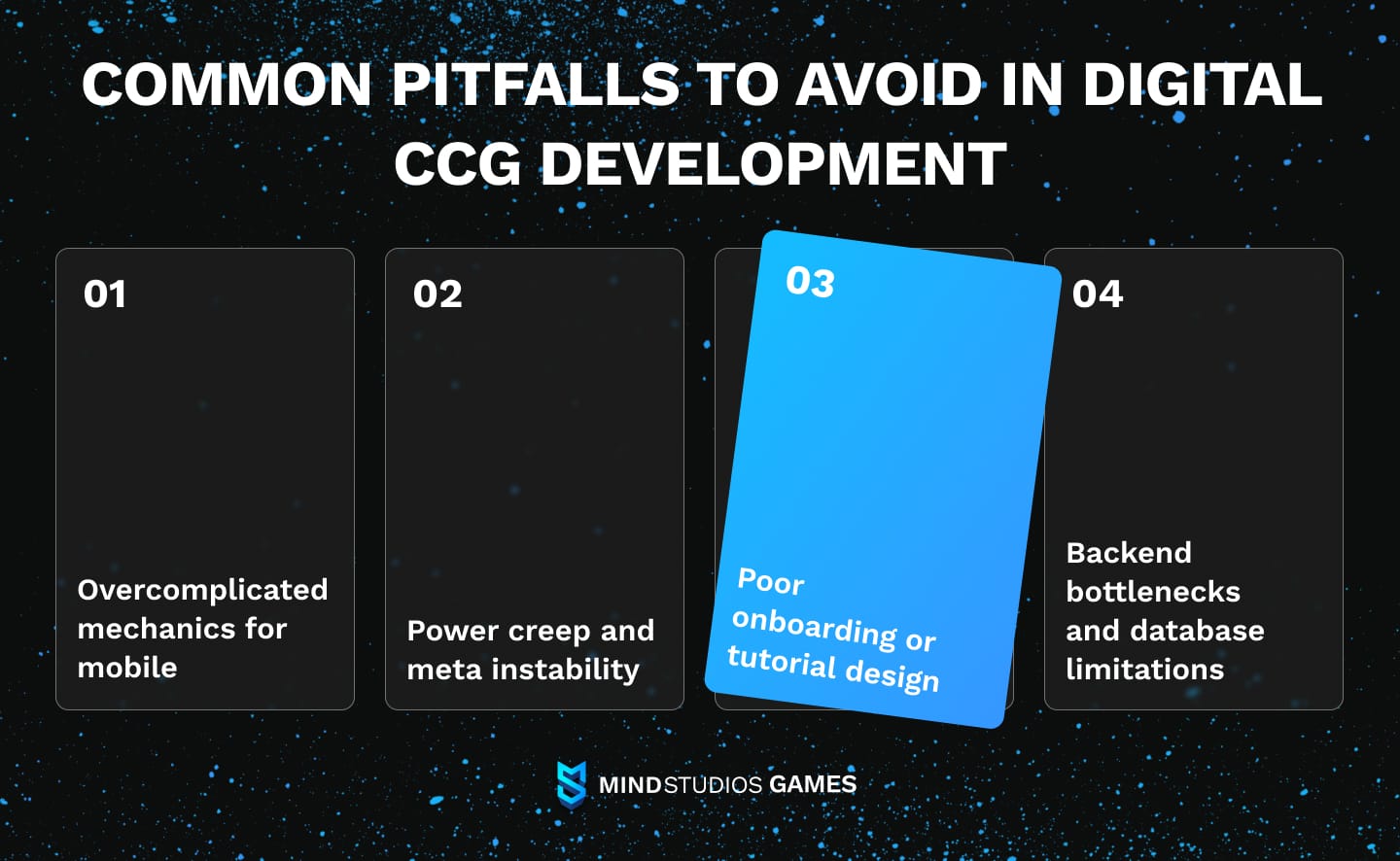
Overcomplicated mechanics for mobile
While mobile games can be just as captivating and visually appealing as desktop ones, there's one key difference to keep in mind: as they are accessed via smartphones and tablets, they need to have more smooth, intuitive gameplay. Moreover, the players should be able to enjoy them even in short bursts.
Therefore, if you create too complex rule interactions, dense UIs, or cards with multiple steps of interaction, this can overwhelm mobile users (while working perfectly fine on desktop).
How to avoid this pitfall:
- Opt for a simple interface and mobile interactions (such as drag-and-drop or minimal modal windows).
- Limit card complexity in mobile-first formats. But don't sacrifice potential strategic depth for that.
- Use tooltips, icons, and visual cues — anything that can quickly explain card behavior.
Power creep and meta instability
You have to add new cards regularly to keep players engaged. At the same time, you should be careful to avoid destabilizing the game by introducing too powerful cards.
How to avoid this pitfall:
- Design with long-term balance and diversity in mind.
- Regularly evaluate card win rates and play rates to spot the most dominating ones and adjust their stats.
- Opt for sidegrades (situational alternatives) over direct upgrades.
Poor onboarding or tutorial design
If players feel overwhelmed, or if they don't understand how to play, they won't stay, simple as that.
How to avoid this pitfall:
- Make sure that your onboarding experience starts simple. Add more advanced concepts as the players progress through the game.
- Use guided solo challenges to help grasp the mechanics.
- Offer "starter decks" and progression systems to ease players into more competitive formats.
Backend bottlenecks and database limitations
Most games have to plan for scaling. However, for live-service CCGs that have thousands of cards, users, and matches, potential scalability is critical. Not having flexible data structures can cause performance drops and server failures.
How to avoid this pitfall:
- Store cards as modular, data-driven objects.
- Optimize for horizontal scaling to handle performance spikes after new expansions or ranked seasons are introduced.
As you can see, no hurdle is unsurmountable. With a professional development team by your side, you can overcome every obstacle and bring a polished CCG to the market. At Mind Studios Games, we have years of experience playing and making games of all kinds, and we also offer our clients guidance on the way. As far as CCG development tools go, we’re adept at Unity game development, HTML5, and our backend specialists even created our own analytics engine, perfectly suitable for card game of all kinds. If you entrust us with your CCG idea, in full or in part, we’re confident we can bring it to life.
Real-world examples
We mentioned these games throughout the article, and here, let us summarize in short what it is we believe made them this successful.
Pokémon TCG Pocket
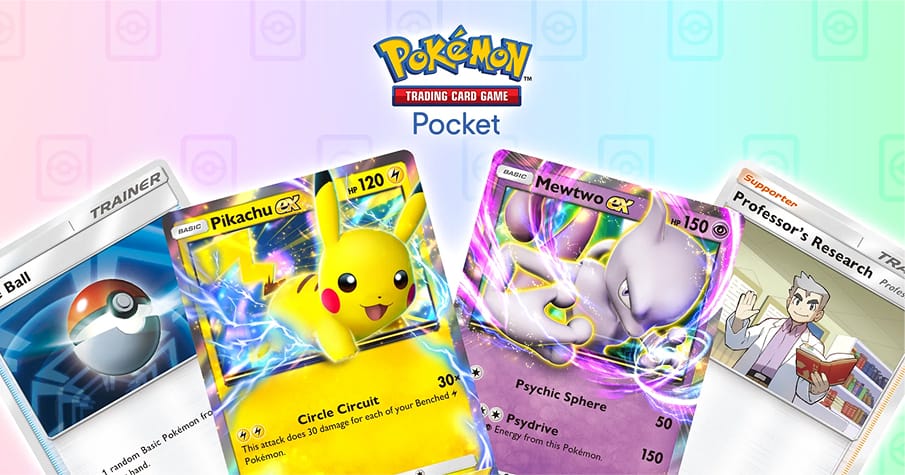
Pokémon TCG Pocket nails the trifecta: accessibility, aesthetic appeal, and nostalgic hooks, all wrapped in a truly mobile-first, polished experience. It invites both new and lapsed fans into a low-barrier, feel-good loop of collecting, customizing, and sharing — while still offering enough depth and updates to keep engagement and, consequently, revenue growing strong.
Here are the things we think are excellent in this game:
- Massive early adoption. Over 30 million downloads in its first week, along with a nomination for Best Mobile Game (The Game Awards 2024).
- Accessible and low-commitment. Simplified rules (20-card decks, auto-energy), two free packs every 12 hours, and smooth, mobile-friendly design make it perfect for quick play.
- Beautiful digital presentation. Stunning visuals with immersive 3D card animations, holographic effects, and dynamic environments leverage digital strength to excite players.
- Designed for mobile, not just ported. Unlike TCG Live, Pocket was built from the ground up for mobile intuitive UI, auto-build decks, and streamlined battles.
Hearthstone
Developed by Blizzard Entertainment, Hearthstone is a massively beloved digital collectible card game set in the Warcraft universe. It has simplified mechanics compared to traditional card games, making it accessible to newcomers while offering depth for veterans.
Hearthstone’s popularity factors, in our opinion, are:
- Accessibility. It’s easy to learn with a colorful, engaging art style.
- Free-to-play model. Players can earn cards through gameplay, encouraging long-term engagement.
- Regular updates. Frequent expansions and balance changes keep the game fresh.
- Esports scene. Active competitive scene boosts visibility and player investment.
- Cross-platform play. Hearthstone is available on PC, mobile, and tablets.
- Warcraft brand. There’s no discarding this, is there?
Magic: The Gathering Arena
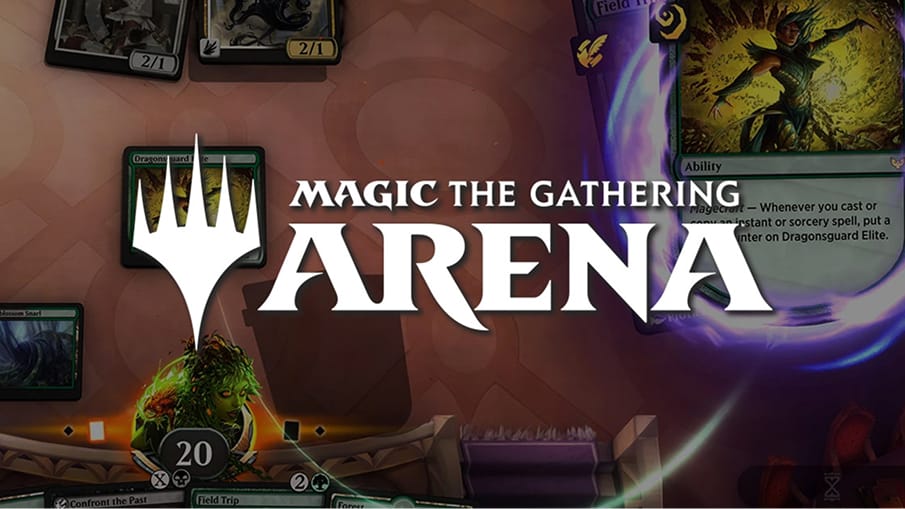
The digital adaptation of the classic physical card game Magic: The Gathering, developed by Wizards of the Coast, it emphasizes strategic deck-building and complex gameplay rooted in a rich fantasy lore.
Its popularity factors are:
- Deep strategic gameplay. Complex mechanics appeal to dedicated card game enthusiasts.
- Legacy and brand recognition. Magic has a longstanding history, attracting fans from its physical origins.
- Competitive play. Tournaments and ranked modes foster a competitive community.
- Regular content. New sets and cards maintain interest.
- Community and tournaments. Strong organized play scene and online events.
Gwent: The Witcher Card Game
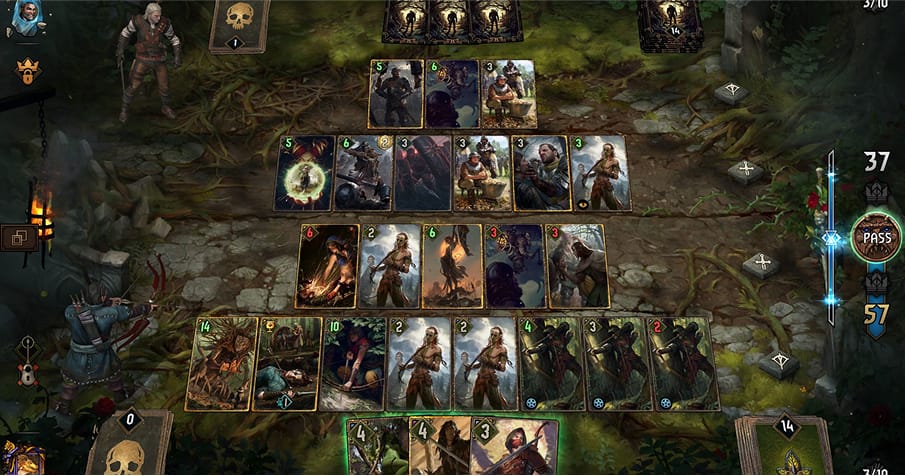
Gwent is a standalone card game originating from The Witcher series. Its features include unique gameplay mechanics like position and weather effects.
Why it’s great:
- Thematic appeal. Ties to The Witcher universe attract fans of the series.
- Unique mechanics. Innovative gameplay features set it apart from other CCGs.
- Strategic depth. Focus on positioning and resource management.
- Visual and art style. Distinctive art inspired by The Witcher universe.
- Dedicated player base. Engaged community and competitive tournaments.
Balatro
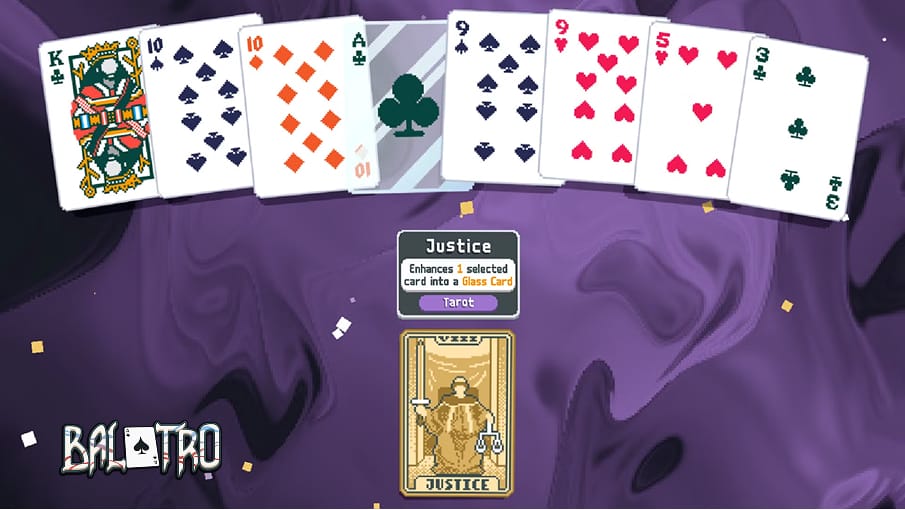
Balatro is a less widely known collectible card game compared to the previous three. It’s also new — launched only in February 2024. And it’s an indie game, which shows that it’s possible to stand out even when you’re new to the market and your competition is full of big names.
How it managed to stand out:
- Fresh concept. It’s a poker roguelike, a blend of CCG and traditional card games in a roguelike coat. Such unique gameplay ideas can attract niche audiences.
- Community engagement. Smaller games often foster tight-knit communities, if you leverage your marketing well.
- Indie appeal. Support for indie developers creates enthusiasm and word-of-mouth growth.
Conclusion
Collectible card game development is a complex but immensely rewarding process — mentally and, if you play your cards well, financially. The example of Balatro shows that it’s possible to make yourself known even if you’re a small team with limited budget: the secret is to love your idea and make an effort to help it thrive.
There are more ways to create unique games than one might think, and it’s time to hop on the train to game success. One of the things you can do for that is find a team of enthusiastic and experienced game developers who can make the journey faster and easier — because they know the shortcuts to take and pitfalls to avoid. If you’re on the lookout for such a team, take a chance on Mind Studios Games. Contact us for a consultation and see if we fit your vision. We always do our best to make great games ☺️