
 ChatGPT
 Perplexity

Discover the top mobile game monetization strategies in 2026 — from IAPs and subscriptions to hybrid models and Web3. Learn how to choose the right one.
Highlights:
- The number of people playing games increases each year, but so does the number of games;
- With the current market’s saturation, game developers need to be creative in games themselves as well as in ways to make money off them;
- The players’ rising demand for personalization and transparency brought new challenges to game monetization, but none of them are unsolvable.
With over 83% of internet users playing video games worldwide in 2024, developers have more opportunities than ever to generate revenue — but competition is also tougher than ever. At the end of 2024, Apple App Store alone hosted approximately 183,000 mobile gaming apps. Steam broke records in the number of annual releases in 2024, with 15,422 games launched on the platform. Overall, as of April 2025, Steam has over 86,000 games. Imagine competing with all that to get a share of the revenue.
These days, developers have to get creative not only when making games, and our mobile game monetization strategies can no longer rely on a single model. Instead, they evolve alongside player expectations, technology, and market shifts.
In the past, ads and in-app purchases dominated the landscape. Today, we see the rise of hybrid approaches, ethical monetization practices, and new technologies like Web3.
This article explores game monetization in 2025, the strategies leading studios are using, and how you can choose the right model for your project. Dive in for insights, or get in touch with us for a personalized consultation, where we will examine your specific game or idea and offer advice.
Why monetization strategies keep evolving
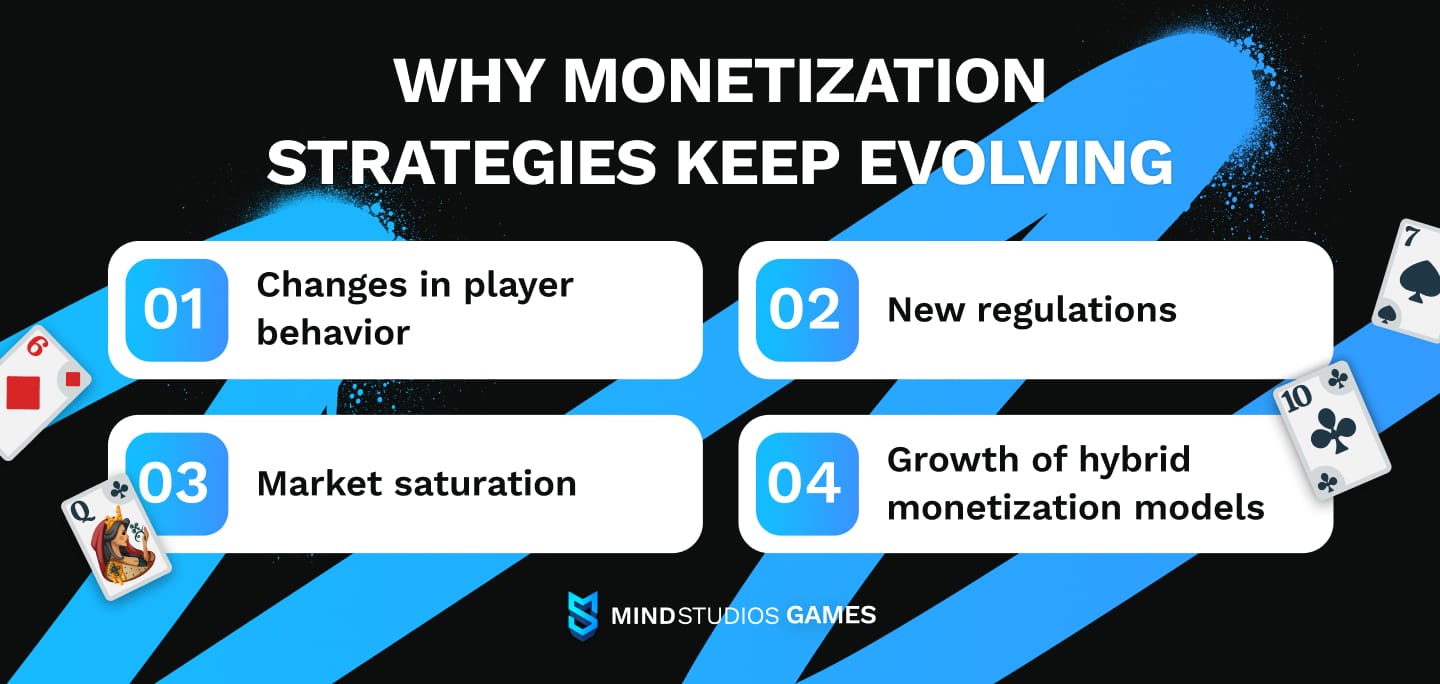
Monetization in mobile games doesn’t stand still. Each year brings new opportunities and challenges that reshape how developers engage and retain players. Here are the factors that affect video game monetization today.
Changes in player behavior
Players are more selective than ever — they can afford to be, with the number of games available today. They expect free-to-play games to deliver value without aggressive paywalls. Instead of disruptive ads, players prefer reward-based experiences where monetization feels like part of the gameplay.
This makes things tricky for developers: we need to integrate ads in a way players see more value in them than disruption; we need to set IAP prices at levels that balance the game’s survivability with players’ willingness to pay for the value.
New regulations
Apple’s App Tracking Transparency (ATT) framework and ongoing GDPR updates have reduced the effectiveness of targeted ads. Developers must now adopt privacy-compliant solutions while still maintaining profitability. This has accelerated the growth of first-party data collection, contextual advertising, and personalized in-game offers.
Market saturation
The mobile games market is crowded with titles across every genre. To stand out, developers can no longer rely solely on standard monetization. Instead, they must differentiate through creative mobile game revenue models that blend unique gameplay with fair revenue practices.
Growth of hybrid monetization models
The era of relying on just ads or in-app purchases is over. In 2025, the hybrid monetization model in gaming has become the norm. Combining ads, IAPs, and subscriptions allows studios to diversify income while reducing dependence on a single revenue stream.
Top mobile game monetization strategies in 2025
Whereas PC games are still often sold as is, there’s no universal formula for how to monetize a mobile game, most of which are free to install and play. The right approach depends on your genre, audience, and long-term goals. Below are the most effective mobile game monetization strategies shaping the industry in 2025 — and how to use them properly.
#1 In-App Purchases
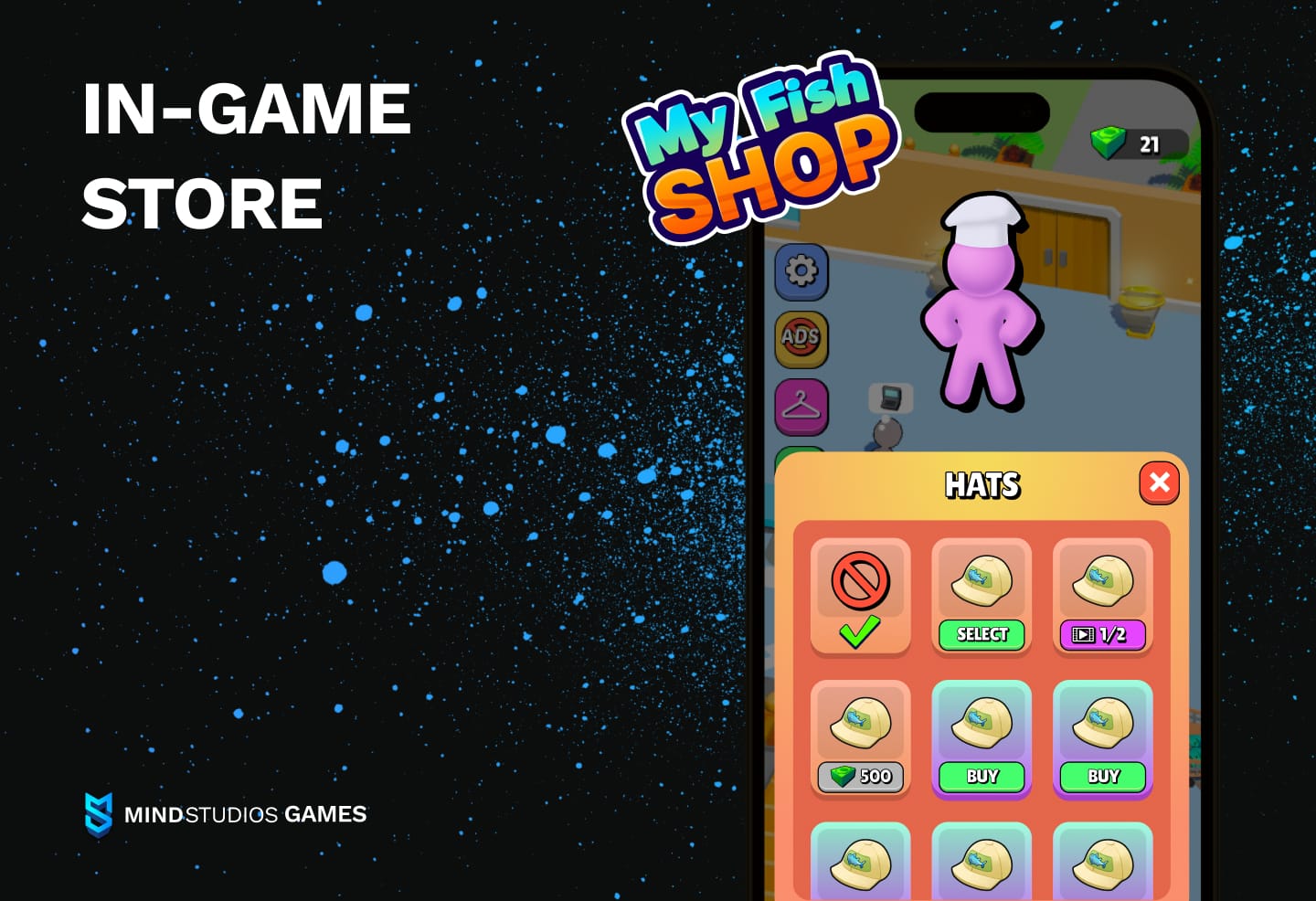
In-app purchases in 2025 remain one of the strongest revenue drivers. However, while early mobile games focused on power-ups that created pay-to-win dynamics, today’s successful games prioritize cosmetic and non-intrusive purchases.
Examples of good use:
- Character skins and outfits
- Time-limited consumables like energy refills
- Progression boosts that save time without breaking balance
Mind Studios Games’ insight: Players are more likely to spend when purchases feel optional, not mandatory. Design your IAP catalog to enhance personalization and fun, not to gate progress.
#2 Rewarded ads
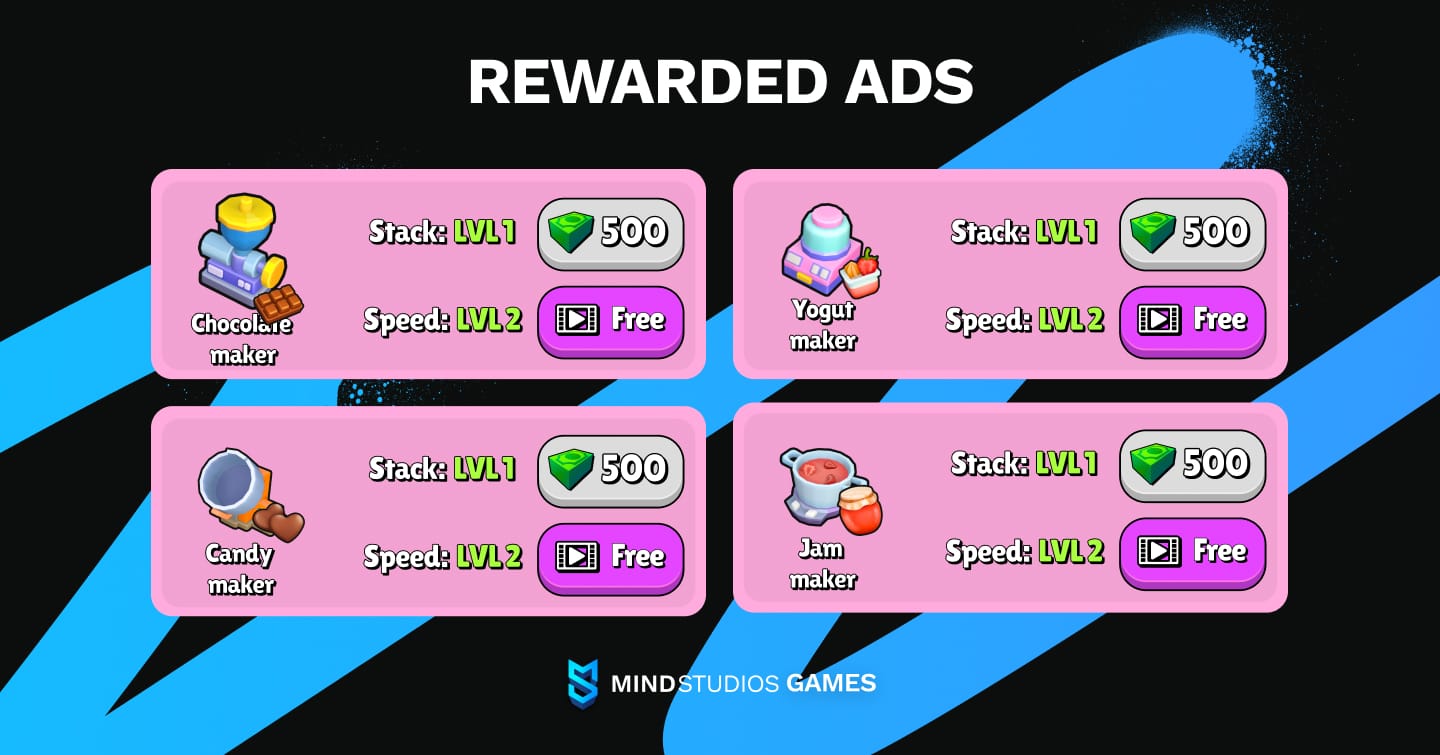
Rewarded ads in mobile games didn’t change much and continue to thrive because they respect player choice. Instead of being forced to watch, players opt in to view ads in exchange for valuable in-game benefits.
Examples of good use:
- Extra lives after failing a level
- Bonus currency or rare items
- Instant upgrades without spending money
- Temporary boosts
#3 Interstitial and banner ads
While often criticized, mobile game ad revenue from interstitials and banners remains viable for hyper-casual and casual games, especially those with large user bases. You do need to be careful about them, though, as overuse of interstitials can be a big reason for players to drop your games.
Examples of good use:
- Limit frequency to avoid disruption
- Place ads between natural gameplay breaks
- Use adaptive formats to fit the experience
#4 Battle passes and seasonal content
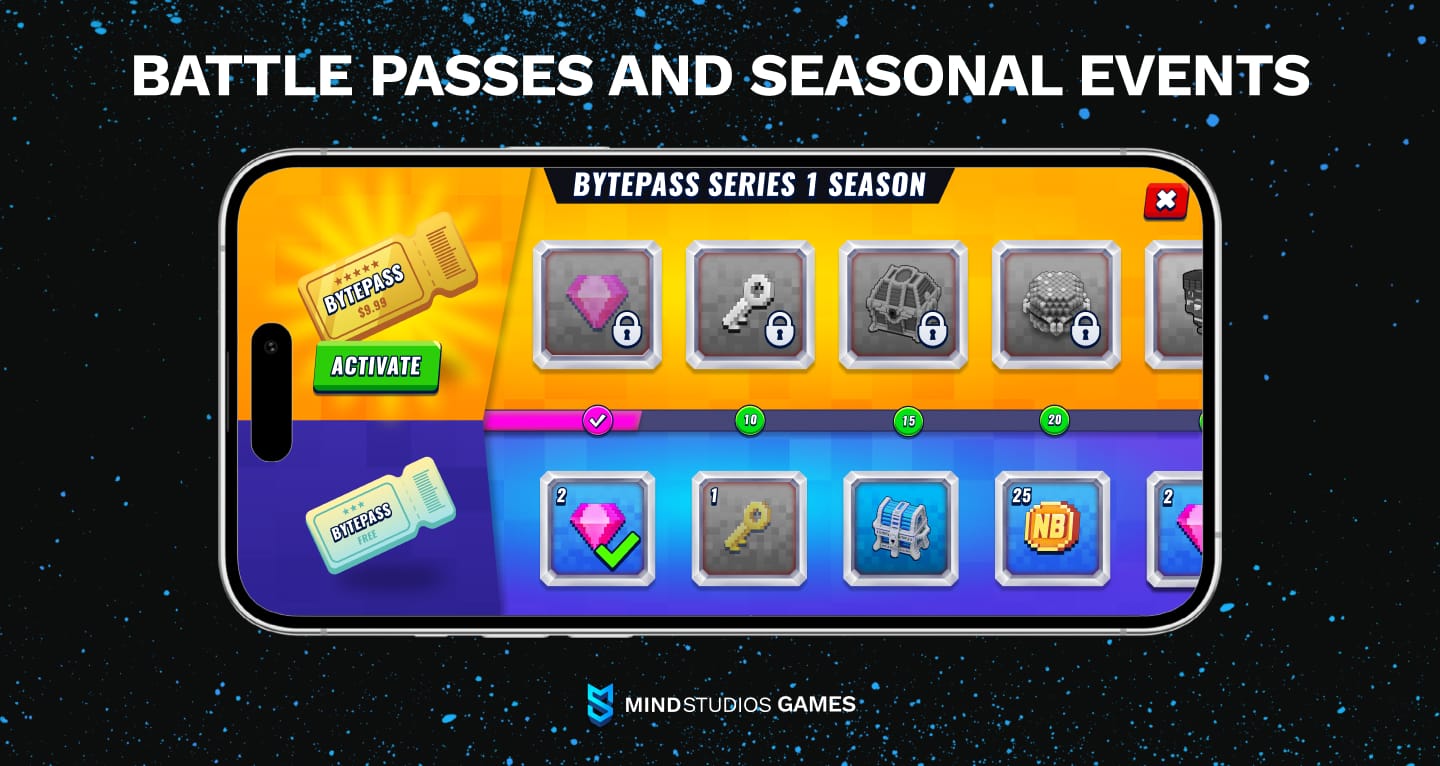
Battle pass monetization has become a staple for mid-core and competitive games in the latest years. Why? Mostly because this model encourages players to return daily to complete challenges and unlock rewards. And daily visits boost your game’s visibility as well as provide more chances for monetization.
In most cases of games — regardless of platform — a battle pass has a free tier and a paid tier (or several). This way, free-to-play users get incentives to open the game daily as well.
Seasonal events, on the other hand, offer players some diversification in experiences alongside unique rewards. This keeps the game fresh, besides offering extra ways to monetize it.
Examples of good use:
- Seasonal events tied to unique storylines
- Tiered passes (free and premium) with cosmetic items and extra currency
- Exclusive progression tracks for loyal users
#5 Subscriptions and memberships
The subscription model for mobile games provides predictable recurring revenue while giving players exclusive benefits. It’s particularly effective in simulation, lifestyle, and puzzle genres, but is also used in MMORPGs and gacha games.
Examples of good use:
- Monthly VIP memberships with daily rewards
- Ad-free premium experiences
- Early access to new content
#6 Hybrid monetization models
In 2025, the hybrid monetization model in gaming is the go-to approach for many studios. By blending multiple revenue streams, developers can balance profitability with player satisfaction.
Practical combinations:
- Free-to-play with IAPs and rewarded ads
- Subscription tiers that unlock bonus cosmetics
- Seasonal battle passes supported by optional ads or IAPs
#7 Brand collaborations and sponsorships
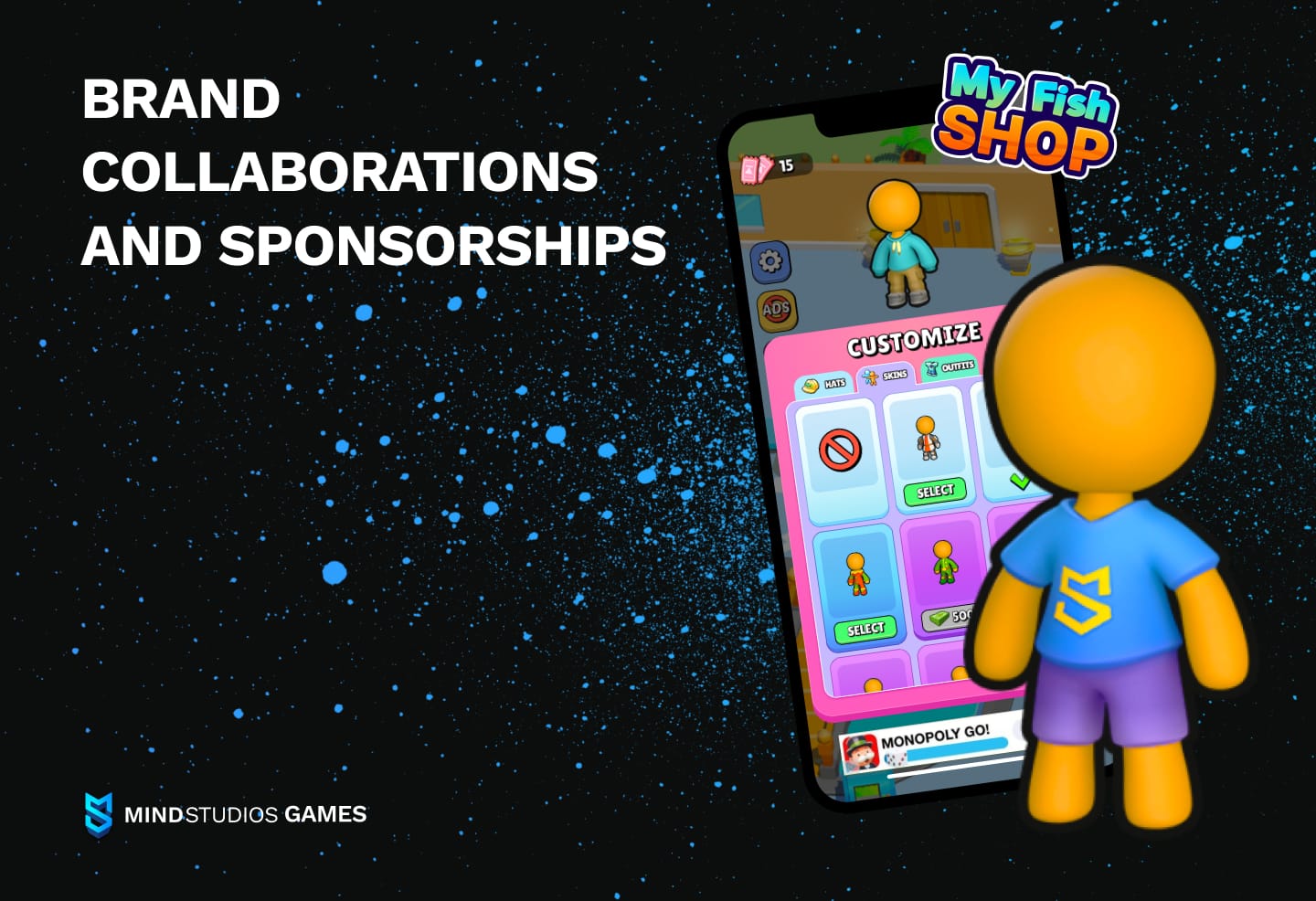
Brand partnerships in games are becoming increasingly common. They allow studios to monetize through collaborations while offering fresh experiences to players.
Examples of good use:
- Branded cosmetics (skins, outfits, items)
- Limited-time crossover events with franchises
- Sponsored tournaments or in-game campaigns
Bonus: Not exactly a monetization strategy, but you can sell spaces in your game to brands. It can be anything:
- Billboards around the city in a life simulator or a racing game
- Background items like food and beverages characters can consume
- NPCs wearing branded clothes
- Digital copies of establishments
#8 Web3 / Blockchain integration
Web3 mobile gaming monetization is still evolving, but it offers unique opportunities for developers experimenting with blockchain technology. By introducing tokenized assets, developers can give players true ownership of in-game items.
Examples of good use:
- NFTs as collectible cosmetics
- Token rewards for achievements
- Play-to-own models where users trade assets
Mind Studios Games’ recommendation: Focus on utility-driven blockchain features that enhance gameplay rather than speculative ones.
Mobile game monetization trends in 2025
Mobile game monetization is entering a new phase. Beyond individual strategies, broader industry-wide trends are shaping how studios approach revenue models.
| Trend | What It Means |
|---|---|
| Rise of personalized AI-driven monetization | AI creates tailored offers for different player segments, boosting conversion without overwhelming users. |
| Growth of advergaming | Brands move beyond sponsorship, launching standalone mobile games or integrated in-game activations. |
| Stricter data and privacy compliance | ATT, GDPR, and new regulations demand contextual targeting, first-party data, and transparent consent. |
| Increasing demand for ethical monetization | Ethical game monetization practices like optional ads, cosmetics-only purchases, and fair battle passes are key to trust and retention. |
Choosing the right strategy for your game
As we already mentioned, not every monetization method works for every title. The most successful studios carefully align their PC and mobile game business models with their audience and genre.
Monetization is often part of the game’s MVP, as choosing the right approach early on saves development time, avoids unnecessary reworks, and improves player satisfaction. Moreover, it’s significantly cheaper for you to test possible monetization models at early stages of development.
So, how to make the choice? There are three main recommendations we can provide, based on our experience.
#1 Match monetization model to genre
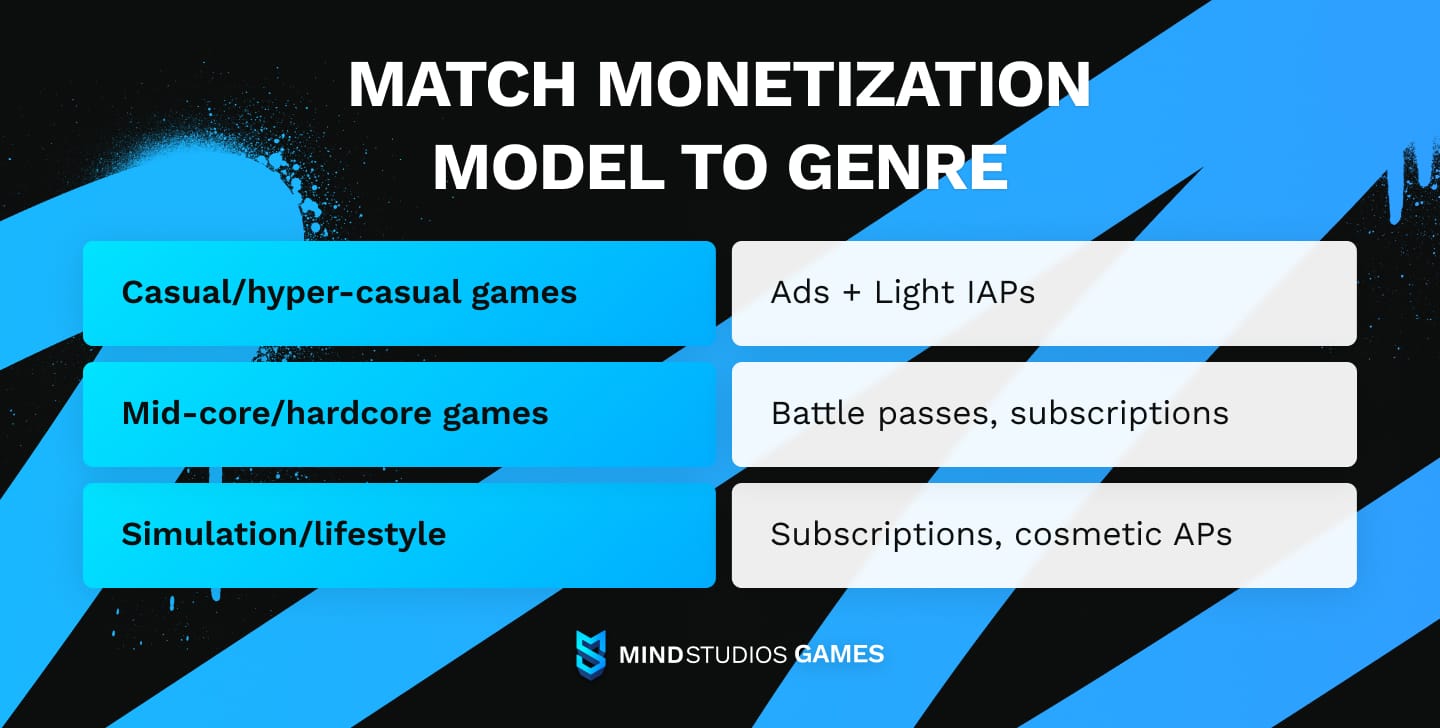
It’s no coincidence that most games within each genre use similar monetization models — they were tried and tested, and have proven most sensible.
For casual and hyper-casual games, combinations of rewarded ads, interstitials, and light in-app purchases (IAPs) usually fit best. Players there expect free access but don’t mind short ad interruptions if they’re optional or bring real benefits.
Successful examples:
- Candy Crush Saga thrives on consumable IAPs that help players progress.
- Crossy Road shows how rewarded ads can be integrated seamlessly, offering extra characters in exchange for short ad views.
Mid-core and hardcore games thrive with battle passes, subscriptions, and sometimes hybrid models (ads + IAPs) when they offer ongoing value. Players in this category often invest more time and appreciate structured progression tied to fair monetization.
Successful examples:
- PUBG Mobile and Call of Duty: Mobile both leverage seasonal battle passes to keep players returning.
- Clash Royale combines free and paid progression tracks, giving non-paying users enough rewards while encouraging upgrades.
Simulation and lifestyle games usually go with subscriptions and cosmetic IAPs, which feel natural here. Skins, decorations, or premium tools enhance self-expression without breaking the balance.
Successful examples:
- The Sims Mobile monetizes through cosmetic items and furniture packs.
- Design Home relies heavily on themed content drops.
- Animal Crossing: Pocket Camp offers subscription tiers with convenience features for dedicated players.
#2 Consider player base expectations
Understanding your audience is critical. Competitive players often reject pay-to-win mechanics because they undermine skill and fairness, while puzzle gamers may welcome subscriptions for unlimited hints or ad-free experiences. To build long-term loyalty, monetize in a way that respects your community’s preferences.
#3 Test, analyze, and iterate
No monetization strategy is final. Use A/B testing to measure conversion rates, retention, and player sentiment. Data helps you identify what works. And to explain the reasons behind player behavior, conduct surveys and interviews, monitor feedback in store comment and mentions on social media.
Five common pitfalls to avoid
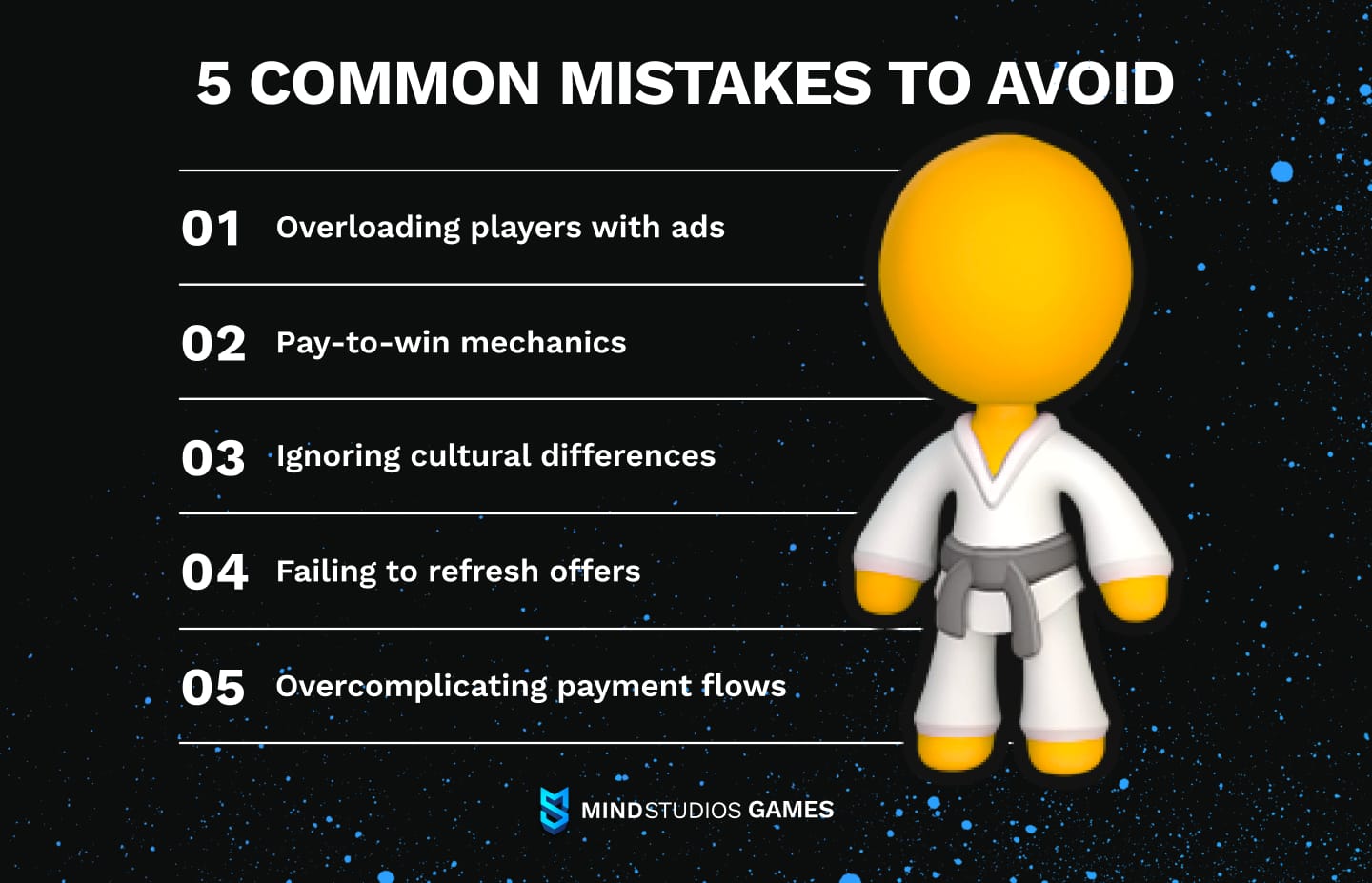
Even a well-planned monetization strategy can fail if executed poorly. That’s why you need to iterate. But to make it all a little easier for developers, here are some of the most frequent mistakes they make, along with real-world examples:
Mistake |
Explanation and what to do |
|---|---|
Overloading players with ads |
Too many interstitials or poorly timed banners frustrate players and shorten session length. Ads should feel like an option, not a punishment. Many early hyper-casual games, like some clones of Flappy Bird, became infamous for bombarding players with ads every few seconds, leading to negative reviews and high uninstall rates. To avoid that fate, thoroughly research and iterate the frequency of interstitials and banner ads, and where possible opt for rewarded ads instead. |
Pay-to-win mechanics |
Offering power boosts or exclusive advantages for money erodes fairness. Players may spend in the short term, but often abandon the game once competition feels rigged. A famous example would be Star Wars: Battlefront II, which faced strong backlash at launch because progression was tied to expensive microtransactions. It became bad enough that developers had to redesign their system. Work on your game’s balance. Paid items and upgrades need to provide value for players to want to pay for them, but that value shouldn’t be that of overwhelming advantage against F2P players. |
Ignoring cultural differences |
Purchasing behavior varies across regions. Cosmetic items sell well in some markets, while others prefer functional boosts. Failing to adapt limits your game’s global appeal. Games that rely only on cosmetic skins, like “Fortnite,” thrive in Western markets, but see weaker performance in some Asian regions, where progression-focused purchases are more common. If you’re aiming to go global, research local market specifics and make adjustments accordingly. This will offer you higher success rates. |
Failing to refresh offers |
Stagnant shops or repetitive bundles quickly lose impact. Seasonal content, limited-time events, and updated battle passes help maintain interest and urgency. Take a page out of a giant’s book! Early versions of Clash of Clans offered limited in-game shop variety, but Supercell quickly learned that rotating deals and seasonal content drove much higher engagement. |
Overcomplicating payment flows |
If players face too many steps during payment or encounter unclear pricing, they will likely abandon purchases. Some older mobile titles buried purchase options under multiple menus or used confusing currencies, which discouraged first-time spenders. Modern games like Genshin Impact simplify this by showing clear, direct options. So simple, transparent checkout processes are essential. Besides, payment transparency is also required by authorities in many regions now. (Genshin’s developers learned that the hard way, by the way.) |
Mind Studios Games’ insight: Monetization should evolve alongside your content updates. When new features, levels, or modes are added, consider how they open opportunities for fresh offers that enhance — and not disrupt — the experience.
Conclusion
In 2025, there is no one-size-fits-all approach to how to monetize a mobile game. The right model depends on your genre, audience, and long-term goals. From in-app purchases to Web3 mobile gaming monetization, developers have more tools than ever — but success comes from aligning business objectives with player-first design. Experimentation, testing, and listening to your players are the cornerstones of sustainable revenue.
Do you have a game of your own and you’re looking to enhance its monetization? Or are you just planning to start your game’s development and want to better understand how you can money off it? Either way, you can contact Mind Studios Games to discuss the best monetization strategy for your mobile game.
With many years on the market and having been part of game development teams working in multiple genres — for our own games and as outsourcing partners — we have extensive insights and data for analysis. And we’re ready to share the knowledge 😎